Ajaokuta Steel's Power Crisis: Implications for Nigeria's Economy
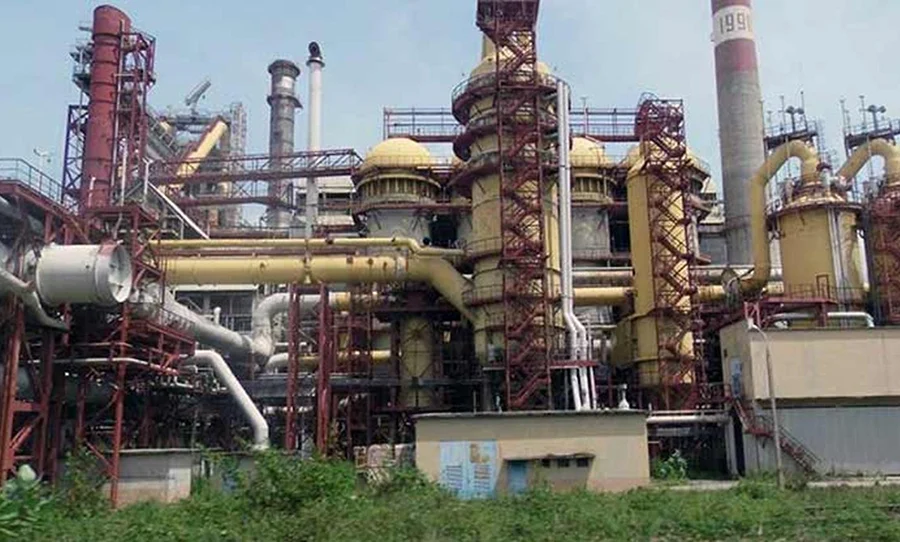
Photo: punchng.com
The Ajaokuta Steel Company Limited, once a beacon of Nigeria's industrial ambitions, now stands on the brink of a power crisis as it grapples with a staggering debt of N5.46 billion. This financial predicament could lead to a disconnection from its electricity suppliers, significantly impacting both the company and its surrounding community. As the Federal Government seeks to revive the dormant complex, the implications of this situation resonate across Nigeria's economic landscape.
The Debt Dilemma: Ajaokuta's Financial Struggles
According to the recent Annual Report from the Nigerian Electricity Regulatory Commission (NERC), Ajaokuta Steel has not made any payments toward its energy invoices and service charges for the year 2025. The company received an energy invoice amounting to N4.96 billion from the Nigerian Bulk Electricity Trading Plc (NBET) but failed to remit payment. Additionally, it owes N500 million for service charges from the Market Operator, resulting in a total outstanding obligation of N5.46 billion.
Potential Consequences of Non-Payment
The continued failure to settle these debts has raised alarms within the NERC, prompting the commission to escalate the issue to relevant federal ministries for intervention. The NERC has warned that unless Ajaokuta addresses its debts, the company risks being disconnected from electricity services, which could halt its operations entirely. Such a scenario would not only affect the steel company but also disrupt the local economy, where many depend on the enterprise for their livelihoods.
Significance of Ajaokuta Steel in Nigeria's Economy
Ajaokuta Steel, which has been largely inactive for decades since its construction began, symbolizes Nigeria's industrial aspirations and potential. The steel complex, once completed, is expected to play a crucial role in the country's steel production and manufacturing sectors, contributing to job creation and economic growth. However, the current power crisis highlights the broader challenges faced by government-linked institutions in meeting their financial obligations, particularly in the energy sector.
The Broader Context: Electricity Sector Challenges
The NERC's report sheds light on the financial difficulties plaguing the Nigerian electricity market, where unpaid bills are a significant concern. In a comparison with international bilateral electricity customers, which recorded a 84.90% remittance performance, local entities like Ajaokuta struggle to keep up. The overall liquidity and sustainability of the Nigerian Electricity Supply Industry are under threat, further complicating the prospects for reliable energy supply across the nation.
What This Means for Event Organisers and Goers
For event organisers, the challenges faced by Ajaokuta Steel serve as a reminder of the importance of stable power supply for successful events. A reliable energy source is crucial for hosting events, from concerts to corporate functions, ensuring that everything runs smoothly. As event-goers, understanding the broader implications of such financial issues can help in making informed choices about attending events, particularly those that may be affected by local economic conditions.
In light of these developments, it becomes essential for both event organisers and attendees to stay informed about the state of the economy and infrastructure in Nigeria. If you're an organiser looking to manage your events efficiently, consider selling tickets on Tix Van to streamline your operations.
As the situation unfolds, the Ajaokuta Steel crisis serves as a pivotal moment for Nigeria's energy sector and its economy. Stakeholders must rally together to address these financial challenges to secure a brighter future for industries and communities alike.
To explore exciting events happening near you, browse events on Tix Van and stay connected with the local cultural landscape.
Source: punchng.com