Navigating Global Mistrust: A Call for Unity in Trade and Events
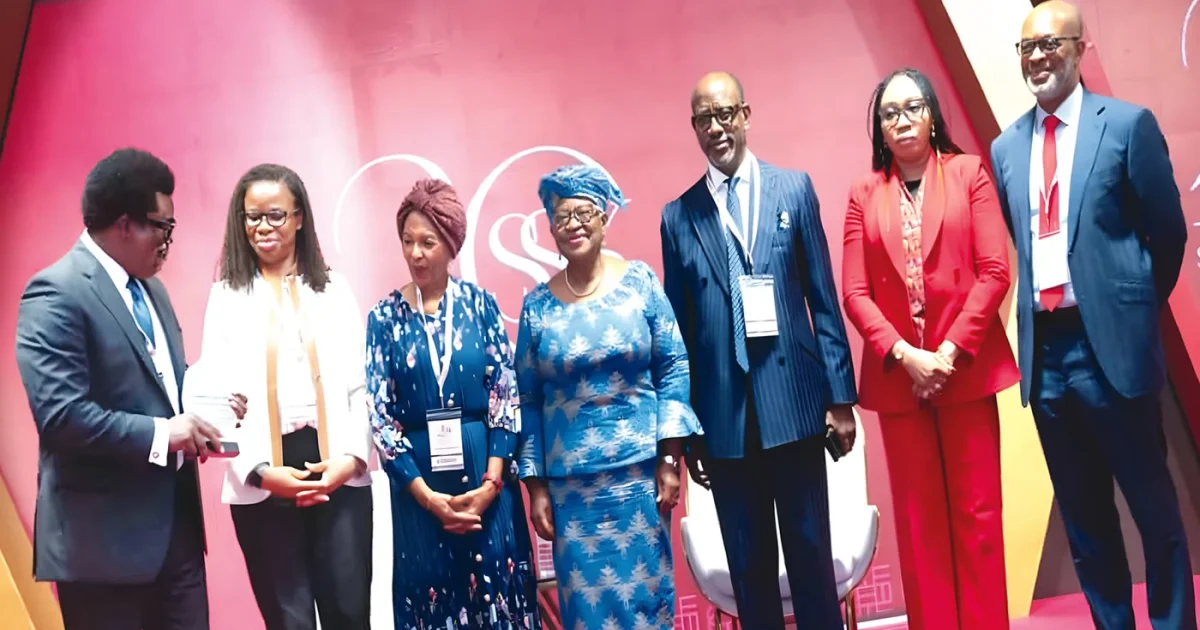
Photo: punchng.com
In a world increasingly defined by uncertainty and geopolitical tensions, the impact of global mistrust on business and trade has become a pressing concern. Dr. Ngozi Okonjo-Iweala, the Director-General of the World Trade Organization (WTO), recently emphasized this point during a discussion in Lagos, highlighting the detrimental effects on economic stability and international partnerships. For event organisers in Nigeria, understanding these dynamics is crucial as they navigate a landscape where trust and cooperation are paramount to success.
The Erosion of Trust in Global Trade
Dr. Okonjo-Iweala pointed out that the growing mistrust among nations poses one of the most significant threats to global trade and economic prosperity. Once reliable partnerships are now marred by skepticism, leading to missed opportunities and conflicts that can disrupt business operations. This evolving reality places additional pressure on event organisers who rely on international collaboration and sponsorships to bring their events to life.
Implications for the Nigerian Event Industry
As Nigeria continues to establish itself as a hub for events, from music festivals to conferences, the implications of this global mistrust are profound. The uncertainty that arises from strained international relationships can lead to hesitance among potential sponsors and partners. This is where event organisers must pivot towards building robust local networks and fostering trust within the domestic market. By cultivating relationships with local businesses and stakeholders, organisers can create a supportive environment that mitigates the impacts of global tensions.
Opportunities Amidst Challenges
Despite the challenges posed by global mistrust, Okonjo-Iweala remains optimistic about the future. She noted that countries like Australia, Singapore, and the UK continue to embrace multilateral trading rules, highlighting that long-term benefits outweigh short-term disputes. For Nigerian event organisers, this suggests a strategic focus on collaboration—both locally and regionally. By leveraging the strengths of various stakeholders within the African continent, organisers can enhance their bargaining power and secure beneficial partnerships.
Adapting to a Competitive Landscape
The shift from cooperative multilateralism to a more competitive international order underscores the need for Nigerian event organisers to adapt swiftly. In this competitive landscape, effective governance and institutional strength become critical. Organisers must navigate not only the logistics of their events but also the broader economic and political context that shapes their operations. This may involve reassessing funding models, diversifying revenue streams, and exploring innovative partnerships that align with the current global mood.
Leveraging Technology and Local Resources
Okonjo-Iweala also highlighted artificial intelligence (AI) as both an opportunity and a potential disruptor. Event organisers should consider how technology can be harnessed to improve event experiences, from ticketing systems to marketing strategies. Platforms like Tix Van provide an excellent opportunity for organisers to sell tickets efficiently and reach a broader audience. By embracing technological advancements and utilizing local resources, organisers can create unique experiences that resonate with attendees while building a strong local brand.
In conclusion, as the landscape of global trade becomes increasingly uncertain, Nigerian event organisers must prioritize building trust and fostering collaboration both locally and regionally. By adapting to the changing dynamics, leveraging technology, and investing in strong partnerships, organisers can navigate the complexities of the current environment while positioning themselves for future success.
Organisers looking to reach a wider audience and sell tickets seamlessly can list their events on Tix Van today. Together, we can promote vibrant events that reflect the richness of Nigeria's cultural landscape.
Source: punchng.com