Reps Investigate Unremitted Revenues: Implications for Organisers
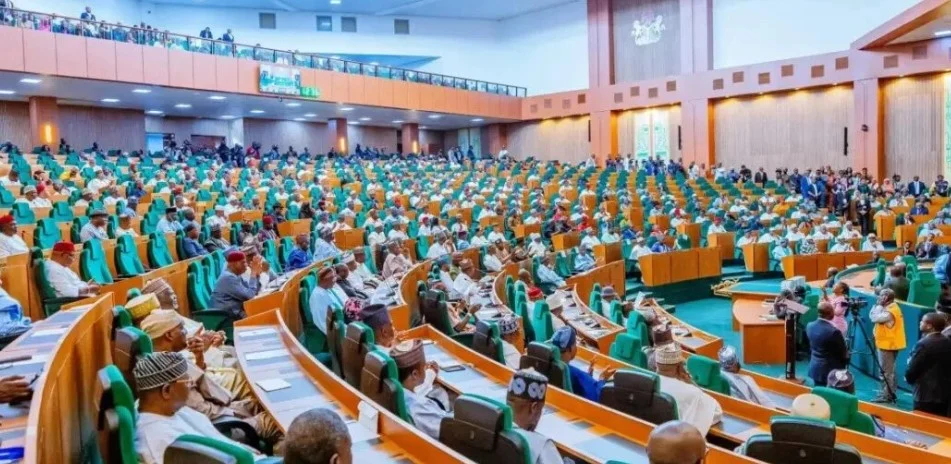
Photo: punchng.com
The recent investigation by the House of Representatives into the unremitted operating surplus by key federal agencies, including the Central Bank of Nigeria (CBN) and the Nigerian National Petroleum Company Limited (NNPCL), highlights critical issues regarding fiscal compliance that could reverberate through various sectors, including event planning and management in Nigeria.
Understanding the Fiscal Oversight
The Public Accounts Committee of the House is intensifying its scrutiny of revenue remittances, instructing the Accountant-General of the Federation to provide a detailed account of outstanding revenues owed to the Federal Government. This inquiry comes amidst concerns that the inability of government-owned enterprises to remit their surpluses is undermining Nigeria's fiscal health, which in turn impacts public services and infrastructure that are crucial for event organisers.
Impacts on Event Organisers
For event organisers, the financial health of the government can directly influence the viability of their projects. When agencies like the CBN fail to remit what is owed, it leads to a ripple effect, potentially limiting government funding for public events and initiatives that support the arts and entertainment sectors. Furthermore, a weak fiscal position could lead to increased taxes or fees for event organisers, making it more challenging to host events successfully.
Revenue Compliance: A Public Concern
During the investigative hearing, concerns were raised about Nigeria's poor revenue performance, with lawmakers emphasizing that compliance with remittance laws is essential for stabilizing the economy. A member of the committee noted that while business entities are generally expected to remit a significant portion of their operating surpluses, agencies like the CBN have failed to meet these expectations, with an outstanding debt of approximately N5.3 trillion. This non-compliance raises questions about the allocation of resources for public services, including those that event organisers rely on.
Industry Perspectives on Financial Accountability
As stakeholders in the event industry, organisers must pay attention to these developments. A strong fiscal environment not only ensures that public services are adequately funded but also boosts consumer confidence. When funding for public infrastructure is compromised, it can lead to challenges such as inadequate venues, reduced security for events, and overall diminished audience turnout. Therefore, the ongoing scrutiny of revenue remittances should be seen as vital for the broader health of the entertainment and events sector.
The Automatic Deduction Policy
The hearing also shed light on the policy of automatic deductions from the accounts of Ministries, Departments, and Agencies (MDAs), which was introduced to enhance revenue collection for the government. While this policy has reportedly improved revenue collections, it has faced resistance from some agencies. The Director of Revenue and Investment at the Office of the Accountant-General defended the policy, arguing that it has been instrumental in generating significant revenue. However, he acknowledged that this approach sometimes leads to disputes with agencies over the amounts deducted.
Looking Towards the Future
The ongoing investigation signals a crucial moment for event organisers and the broader business community in Nigeria. As compliance issues are addressed, there may be opportunities for enhanced collaboration between the government and private sectors. Event organisers should remain engaged in these discussions, advocating for policies that support a thriving events industry while ensuring that fiscal responsibility is maintained.
For event organisers looking to navigate these changing dynamics, browsing events on Tix Van can provide insights into market trends and audience preferences, helping you to plan successful events. Moreover, those interested in selling tickets can explore options available through Tix Van's ticketing platform, which offers a streamlined process for event management.
As the investigation progresses, it is essential for all stakeholders in Nigeria's event industry to stay informed and proactive. By understanding the implications of these fiscal policies, organisers can better position themselves for success in a challenging economic environment.
Source: punchng.com